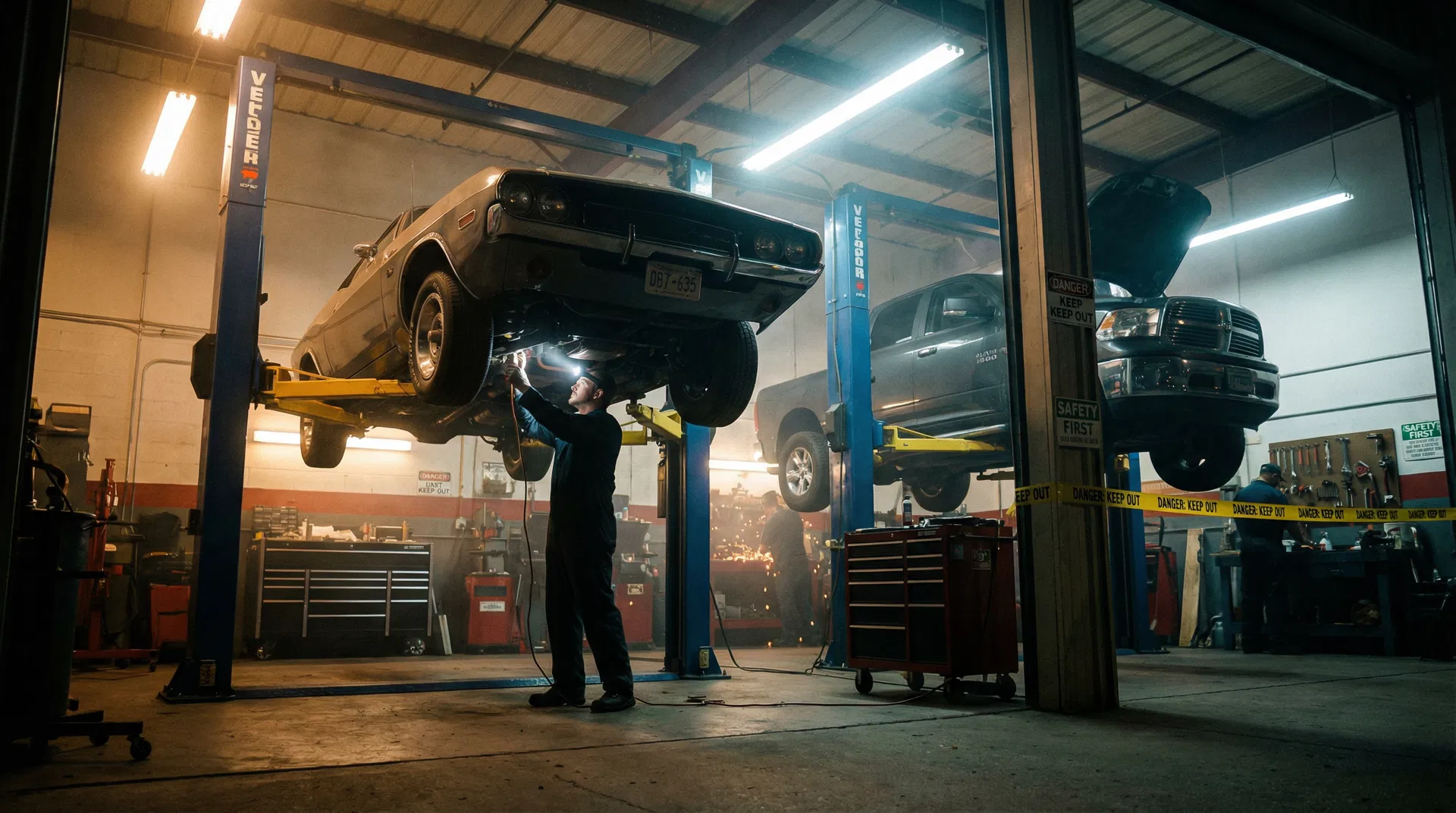
CLEVELAND WINTER DRIVING SURVIVAL GUIDE 2026
Cleveland winters test both drivers and vehicles. Lake-effect snow, freezing temperatures, and road salt create harsh conditions that require proper preparation. This guide covers everything you need to do to keep your car safe and reliable through an Ohio winter.
Why Cleveland Winters Are Especially Hard on Cars
Cleveland's location on the southern shore of Lake Erie creates unique winter driving challenges. Lake-effect snow can dump several inches in a matter of hours, and temperatures regularly swing between freezing and thawing, which is actually harder on vehicles than sustained cold. The freeze-thaw cycle creates potholes that destroy tires and damage suspension components. Road salt, while essential for safety, accelerates corrosion on brake components, undercarriage parts, and body panels. Wind off the lake drops wind chill temperatures well below zero, putting extreme stress on batteries, belts, and fluids. The combination of these factors means Cleveland vehicles need more preparation and maintenance than cars in milder climates. Taking the time to prepare before winter hits saves you from breakdowns, tow bills, and expensive emergency repairs when you can least afford them.
Winter Tires: The Single Best Safety Upgrade
Winter tires are the most impactful safety upgrade you can make for Cleveland winter driving. All-season tires lose significant grip below 45 degrees Fahrenheit because the rubber compound hardens. Winter tires use a softer compound that stays flexible in cold temperatures, plus they have deeper tread patterns and thousands of tiny sipes (small slits in the tread blocks) that grip snow and ice. The difference is dramatic — winter tires can reduce braking distance on snow by 25 to 40 percent compared to all-season tires. That could mean the difference between stopping safely and sliding into the car in front of you. We recommend installing winter tires by mid-November in Cleveland and switching back to all-season or summer tires in April. Mounting your winter tires on a dedicated set of steel wheels saves money on mounting and balancing fees each season and protects your alloy wheels from salt damage. At Nick's Tire & Auto, we carry a full selection of winter tires from brands like Bridgestone Blizzak, Michelin X-Ice, and Continental WinterContact. We also offer seasonal tire storage if you do not have space to keep your off-season set.
Need cleveland's local mechanic? Read the rest later.
Free written estimate. 12-month parts / 90-day labor warranty. Payment programs from 4 providers. Walk-ins welcome 7 days.
Battery Inspection and Testing
Cold weather is the number one killer of car batteries. A battery that works fine at 80 degrees only produces about 50 to 60 percent of its cranking power at zero degrees. At the same time, cold engine oil is thicker and requires more cranking power to turn the engine over. This double hit means a marginal battery that started your car all summer will leave you stranded on the first truly cold morning. Car batteries typically last 3 to 5 years in Cleveland's climate. If your battery is 3 years old or older, get it tested before winter. A load test takes about 5 minutes and tells you exactly how much life is left. At Nick's Tire & Auto, battery testing is always free — walk in anytime and we will test it while you wait. If you need a new battery, we carry a full range of sizes and have most in stock for same-day installation. We also clean and inspect battery terminals and cables, because corroded connections can prevent a good battery from delivering its full power.
Antifreeze and Cooling System Check
Antifreeze (coolant) does two critical jobs: it prevents the engine from overheating in summer and prevents the coolant from freezing in winter. If the antifreeze concentration is too low, the coolant can freeze inside the engine block, which can crack the block and destroy the engine — a repair that costs more than most vehicles are worth. Cleveland winter temperatures regularly drop below zero with wind chill, and actual air temperatures below 10 degrees are common. Your coolant should be a 50/50 mix of antifreeze and water, which protects to about minus 35 degrees Fahrenheit. We test the freeze point of your coolant with a refractometer (much more accurate than the floating ball testers) and check the condition of the coolant itself. Coolant breaks down over time and loses its corrosion protection, which can lead to radiator leaks, heater core leaks, and water pump failure. Most manufacturers recommend a coolant flush every 30,000 to 60,000 miles or every 5 years. If your coolant is due for replacement, fall is the ideal time to do it — before the temperatures drop.
Brake Check for Winter Conditions
Your brakes work harder in winter than any other season. Wet, icy, and snow-covered roads require more frequent braking, and the stopping distances are already longer due to reduced traction. Brake pads that are marginal in summer can become dangerous in winter when every foot of stopping distance matters. Road salt is also corrosive to brake components. It gets into caliper slide pins, causing them to stick. It attacks brake rotors, causing accelerated rust and pitting. And it degrades brake hardware (springs, clips, and anti-rattle shims), which can cause noise and uneven pad wear. We recommend a thorough brake check before winter. At Nick's Tire & Auto, we measure pad thickness on all four wheels, check rotor condition and thickness, inspect caliper operation and slide pins, check brake lines and hoses for cracks or leaks, and test the brake fluid moisture content. If your brake fluid has absorbed too much moisture, it can boil during heavy braking and cause temporary brake fade — a terrifying experience on an icy Cleveland road.
Windshield Wipers, Washer Fluid, and Visibility
Cleveland winter driving often means driving through freezing rain, road spray, and salt film that coats your windshield. Good wiper blades and proper washer fluid are essential for visibility. Standard wiper blades can ice up and skip across the windshield in freezing conditions. Winter wiper blades have a rubber boot that covers the frame and prevents ice buildup. They cost a few dollars more but work dramatically better in winter weather. Replace your wiper blades in the fall — they should be replaced every 6 to 12 months anyway, and starting winter with fresh blades makes a big difference. Use winter-rated washer fluid rated to at least minus 20 degrees. Standard summer washer fluid will freeze on your windshield and make visibility worse, not better. Keep a full reservoir — you will use more washer fluid in one Cleveland winter commute than you might use in a month of summer driving. Check your rear defroster and all defroster vents to make sure they are working before you need them.
Emergency Kit: What to Keep in Your Car
Every Cleveland driver should keep a winter emergency kit in their vehicle from November through March. If you slide off the road or get stuck in a snow squall, having the right supplies can keep you safe until help arrives. Essential items include: a blanket or sleeping bag (not a space blanket — a real blanket that provides genuine warmth), a flashlight with fresh batteries, jumper cables or a portable jump starter, a small bag of kitty litter or sand for traction if stuck, an ice scraper and snow brush, a small folding shovel, basic first aid kit, phone charger (battery pack or car charger), bottled water, and non-perishable snacks. A bag of road salt can help you melt ice under your tires if you are stuck. Flares or reflective triangles make your vehicle visible to other drivers if you are stopped on the shoulder. Keep all of these items in a duffel bag in your trunk so they are always ready. Replace batteries and water at the start of each winter season.
Ohio Winter Driving Tips from Our Technicians
Our technicians have decades of combined experience driving and working on vehicles in Cleveland winters. Here are their best tips. Slow down — speed limits are for ideal conditions. In snow and ice, drive 10 to 20 miles per hour below the limit and increase your following distance to at least 6 seconds. Brake early and gently. Slamming the brakes on ice causes skids even with ABS. Start slowing down well before intersections and stop signs. If your vehicle starts to slide, look and steer where you want to go, not where the car is heading. Keep your gas tank at least half full in winter — this adds weight for traction, prevents fuel line freeze, and ensures you have fuel if you get stuck. Clear ALL snow and ice from your vehicle before driving, including the roof, hood, and all windows. Snow flying off your roof is dangerous to other drivers and is illegal in Ohio. Warm up your engine for 30 to 60 seconds before driving (not 10 minutes — modern fuel-injected engines do not need long warm-ups, but a brief warm-up lets oil circulate before you put load on the engine). Finally, know your route. Lake-effect snow can be intense in narrow bands — a highway that is clear in one area can be snow-covered a mile down the road. Check weather and traffic before you leave.
Get Your Vehicle Winter-Ready at Nick's Tire & Auto
Do not wait until the first snowfall to prepare your vehicle. Bring it to Nick's Tire & Auto for a comprehensive winter readiness inspection. We will check your battery, brakes, tires, coolant, wipers, heater, defroster, belts, hoses, and all fluid levels. If anything needs attention, we will explain what we found and give you an honest price before any work begins. Walk-ins welcome 7 days a week. We serve Cleveland, East Cleveland, Euclid, South Euclid, Cleveland Heights, and all of Cuyahoga County. Call us or stop by — we will make sure your vehicle is ready for whatever this Cleveland winter throws at it.
RELATED SERVICES
Bring it in. We'll show you the problem before we fix it.
Free written estimate before any work. 12-month parts / 90-day labor warranty. Free Uber within 5 miles if you drop off. Walk-ins welcome 7 days a week.
- 12-mo parts / 90-day labor warranty
- Payment programs from 4 providers
- Most repairs same/next day
- Text updates throughout